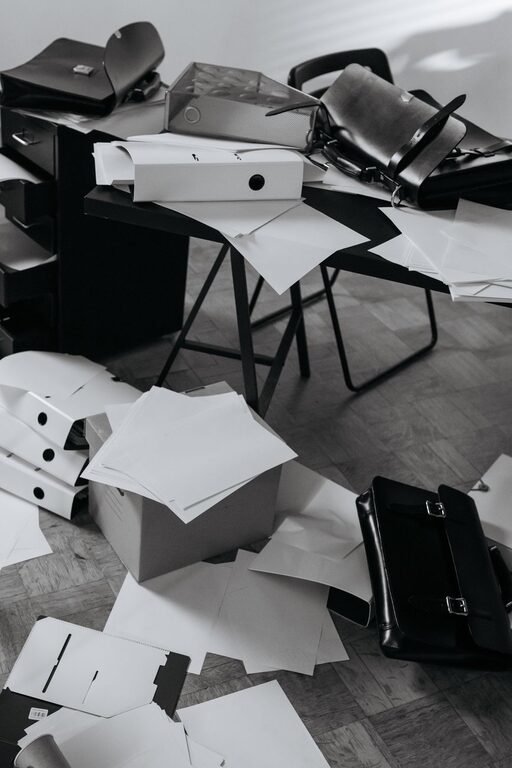
Paper clutter is a common challenge in many households. From mail and bills to school papers and receipts, stacks of paper can quickly accumulate and create a feeling of chaos. Fortunately, reducing paper clutter doesn’t have to be complicated. With some simple habits and practical tips, you can keep your home organized and enjoy a clutter-free space. In this post, we’ll explore easy ways to cut down on paper clutter and maintain a tidy environment.
Why Reducing Paper Clutter Matters
Before diving into solutions, it’s important to understand why managing paper clutter is beneficial:
– Improves organization: Fewer papers mean less time spent searching for important documents.
– Reduces stress: A clutter-free space promotes calmness and focus.
– Saves space: Clearing paper piles opens up room in your home.
– Supports sustainability: Minimizing paper use helps the environment.
Now, let’s look at simple ways to reduce paper clutter effectively.
Sort and Purge Regularly
Create a Sorting System
Designate a specific spot in your home for incoming papers. This might be a tray, basket, or inbox on a desk. Sort papers into categories such as:
– Bills and invoices
– Personal correspondence
– School or work documents
– Coupons and flyers
– Important records (warranty cards, tax documents)
Set a Regular Schedule
Make it a habit to go through your paper pile weekly or biweekly. Decide what to keep, file, or discard. Regular sorting prevents buildup and keeps clutter manageable.
Shred Sensitive Documents
For papers containing personal information, use a shredder when discarding. This protects your privacy and allows you to safely reduce paper volume.
Go Digital Whenever Possible
Switch to Paperless Billing and Statements
Most banks, utilities, and service providers offer electronic billing. Signing up for digital statements reduces paper mail drastically.
Use Digital Note-Taking Apps
Replace paper notebooks with digital apps like Evernote, OneNote, or simple note tools on your phone. This cuts down on physical notes and scraps.
Scan Important Documents
Digitize warranty cards, receipts, and personal records using a scanner or scanning apps on your smartphone. Store files in organized folders on your computer or cloud storage.
Manage Coupons and Flyers Online
Many stores provide digital coupons and promotions on their websites or apps. Opt for these instead of printed versions.
Organize What You Keep
Invest in Storage Solutions
Use filing cabinets, accordion folders, or binders to store important papers neatly. Label each section to make retrieval easy.
Use a Mail Station
Create a designated space near your entrance for sorting mail immediately upon arrival. This prevents paper from piling up elsewhere in your home.
Create a Command Center
Design a centralized area for all household paperwork, calendars, and to-do lists. This keeps essentials visible and reduces scattered papers around the house.
Practice Smart Paper Habits
Be Selective About Printing
Before printing documents, ask yourself if a paper copy is truly necessary. Opt to read or save files electronically.
Unsubscribe from Unwanted Mail
Reduce junk mail by opting out of mailing lists and catalogs. Services like the DMAchoice website allow you to limit unsolicited mail.
Manage School Papers Effectively
Designate a folder or box for your child’s school papers. Regularly review and keep only meaningful or important work.
Maintain Your Paper Clutter-Free Home
Set Clear Rules for Paper Handling
Educate family members about the importance of managing paper clutter. Encourage them to sort and recycle papers promptly.
Recycle Regularly
Have a recycling bin near your mail station or workspace to make disposing of unwanted papers convenient.
Review and Adjust
Periodically reassess your paper management system. Adjust habits and tools as needed to keep clutter under control.
Conclusion
Reducing household paper clutter is achievable with simple, consistent steps. By sorting regularly, embracing digital alternatives, organizing what you keep, and practicing mindful paper habits, you can create a more organized and peaceful home environment. Start small, stay consistent, and enjoy the benefits of a clutter-free space.