
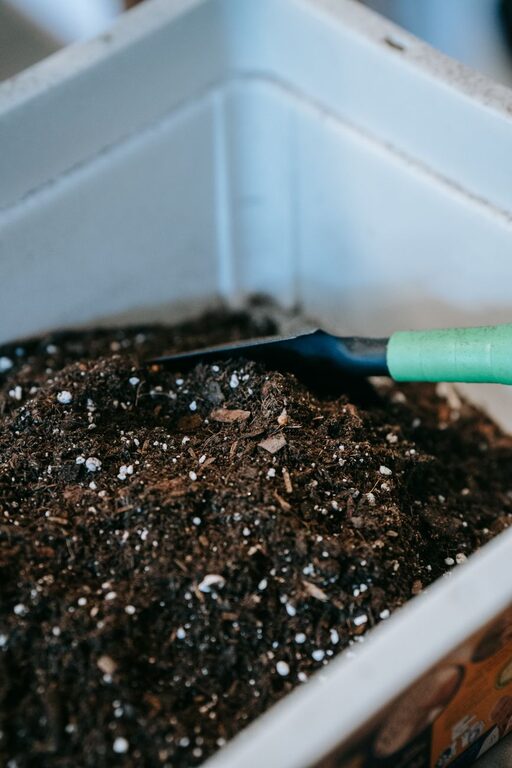
Composting at home is a rewarding way to reduce kitchen and garden waste while creating nutrient-rich soil for your plants. Whether you have a big backyard or a small balcony, composting can be adapted to fit your space and lifestyle. If you’re new to composting, this guide will walk you through the basics and share helpful tips to get you started.
What Is Composting?
Composting is a natural process where organic materials like food scraps and yard waste break down into rich, dark soil called humus. This soil improves plant growth by adding nutrients and enhancing moisture retention. Composting also reduces the amount of waste sent to landfills, which benefits the environment.
Why Compost at Home?
– Reduce waste: Composting diverts food scraps and yard waste from the trash.
– Improve soil: Homemade compost enriches garden soil naturally.
– Save money: With nutrient-rich compost, you can cut down on buying fertilizers.
– Help the environment: Composting lowers greenhouse gas emissions by reducing landfill waste.
Getting Started: Choosing Your Compost Method
There are several types of composting systems to choose from, depending on your space and commitment level.
1. Traditional Compost Pile or Bin
– Best for: People with outdoor space such as a backyard.
– How it works: Organic materials decompose in an open or enclosed bin.
– Pros: Simple, low cost, easy to build or buy.
– Cons: Requires some effort to maintain temperature and moisture.
2. Tumbler Composters
– Best for: Small yards or those who want to speed up the process.
– How it works: A sealed container that can be rotated to mix the compost.
– Pros: Easy to turn, faster decomposition.
– Cons: Usually more expensive, limited capacity.
3. Vermicomposting (Worm Composting)
– Best for: Indoor use or small spaces.
– How it works: Uses red worms to break down food scraps in a bin.
– Pros: Produces rich compost quickly, good for apartment dwellers.
– Cons: Requires care of worms, limited to certain materials.
What to Compost: The Basics
Successful composting depends on the right mix of materials, often classified as “greens” and “browns.”
Greens (Nitrogen-Rich Materials)
– Fruit and vegetable scraps
– Coffee grounds and tea leaves
– Grass clippings
– Fresh plant trimmings
Browns (Carbon-Rich Materials)
– Dry leaves
– Straw or hay
– Shredded newspaper or cardboard
– Small branches and twigs
Avoid composting meat, dairy, oils, and diseased plants as these can attract pests or cause odors.
Tips for Effective Composting
1. Balance Greens and Browns
A good rule of thumb is to use about 2 to 3 parts browns to 1 part greens. This balance helps speed decomposition and prevents bad smells.
2. Chop or Shred Materials
Smaller pieces break down faster. Chop food scraps or shred leaves before adding them to your compost.
3. Turn Your Compost Regularly
Mixing your compost every one to two weeks adds oxygen and helps microbes do their job efficiently.
4. Keep It Moist
Your compost should feel like a damp sponge. Add water if it dries out or add dry browns if it’s too wet.
5. Be Patient
Composting can take anywhere from a few weeks to several months. Warm weather speeds up the process.
Troubleshooting Common Composting Issues
– Bad odor: Usually caused by too many greens or lack of air. Add more browns and turn the pile.
– Pile is dry: Add water and more greens to keep moisture.
– Pile attracts pests: Avoid meat and dairy; secure your compost bin.
– Compost is slow to break down: Chop materials more finely and turn more often.
Using Your Finished Compost
When compost turns dark and crumbly with an earthy smell, it’s ready to use. Here’s how you can apply it:
– Mix compost into garden beds to enrich soil.
– Use as mulch around plants to retain moisture.
– Add to potted plants to boost nutrient levels.
– Spread on lawns to improve grass health.
Final Thoughts
Starting a compost bin at home is a simple, eco-friendly project anyone can do. By following these beginner tips, you’ll create healthy compost that benefits your garden and the environment. Remember to start small, be patient, and enjoy the process of turning your waste into something valuable.
Happy composting!